20th August 2026
How rising temperatures and heatwaves are putting commercial refrigeration to the test

7 Years parts & labour warranty


Brand and Marketing Manager EMEA
The European forecourt sector is undergoing one of the biggest transformations in its history.
What was once a fuel-led environment, built around quick transactions, is rapidly evolving into a modern convenience retail and foodservice destination.
This is being driven by changing consumer habits, a growing demand for fresh food-to-go, attractive chilled goods displays and the rise of “dashboard dining”.
Here, we take a look at what’s changing – and how refrigeration is central to this evolution.
Convenience retail and ‘mini hubs’ remains a major growth market across Europe, fuelled by: smaller, more frequent shopping trips; demand for immediate convenience; commuter lifestyles; hybrid working patterns and increased food-to-go consumption.
Major grocery and retail groups are heavily investing in convenience-led formats, with operators expanding smaller footprint stores focused on grab-and-go and meal solutions.
This evolution is changing the status of the forecourt entirely and, along with it, the role which refrigeration plays in the storage and display of in-demand items.
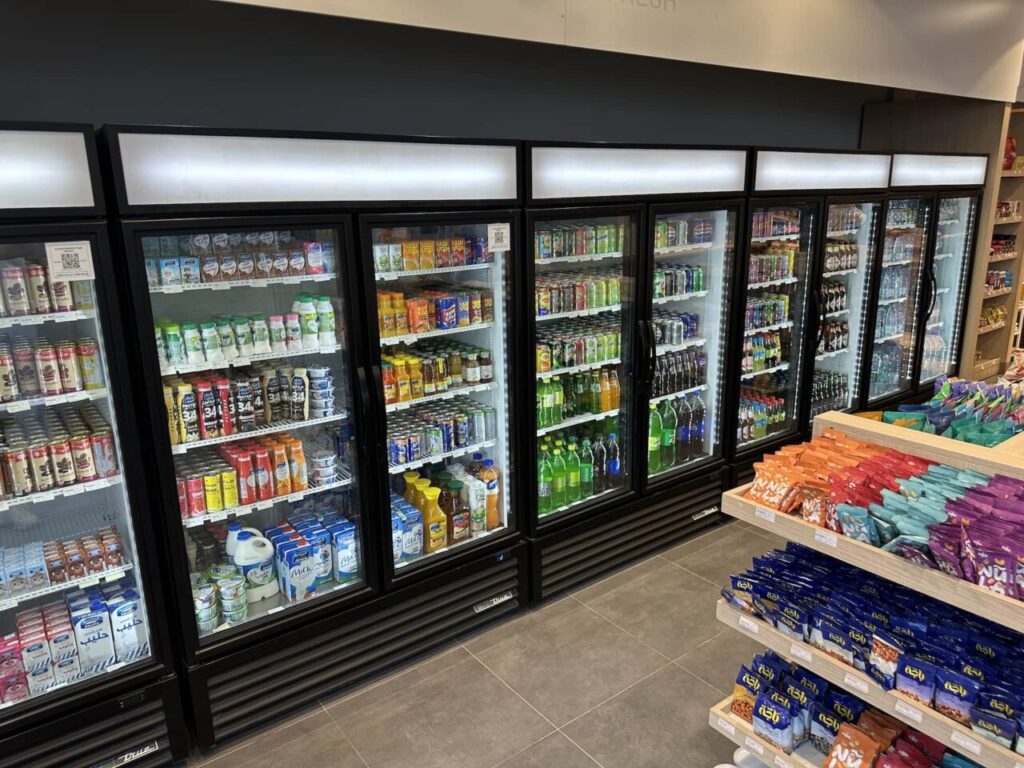
Across Europe, operators are repositioning forecourts as high-frequency retail environments delivering convenience, speed and fresh food.
In fact, industry analysts increasingly describe the sector as one of the most important growth areas within convenience retail.
Talking Retail, for example, suggest that the modern forecourt is no longer defined by the pump – reporting that that operators are repurposing space and turning formerly transactional sites into lifestyle-oriented environments designed to attract repeat visits.
It cites Ireland as an example destination where what is known as “dashboard dining” has taken hold – with high-quality meals, barista coffee and comfortable seating areas rivalling high street cafés.
Rather than simply serving motorists, modern forecourts are increasingly becoming:
The result is a much broader customer mission than fuel alone. This means operators need to consider their set-up carefully, with their refrigeration choices being critical to adapting to this new approach.
One of the most significant shifts in the market is the move from a “petrol-first” customer mindset to a convenience-led buying behaviour.
Research from Lumina Intelligence highlights strong growth in fresh, chilled and food-to-go categories within UK forecourts, with operators increasingly focusing on premium convenience and driving impulse spend.
Forecourts are now competing not only with traditional petrol stations, but with cafés, convenience stores, supermarket and bakery chains, quick-service restaurants and food-to-go retailers.
The rise of electric vehicles is also accelerating this transition. As dwell times increase during charging, operators are investing more heavily in retail experiences designed to encourage customers to browse, linger and spend more time on-site.
This behavioural shift is reshaping site design and investment priorities, with high-quality refrigeration essential to meeting new consumer demand and offering an all-important visual display experience.
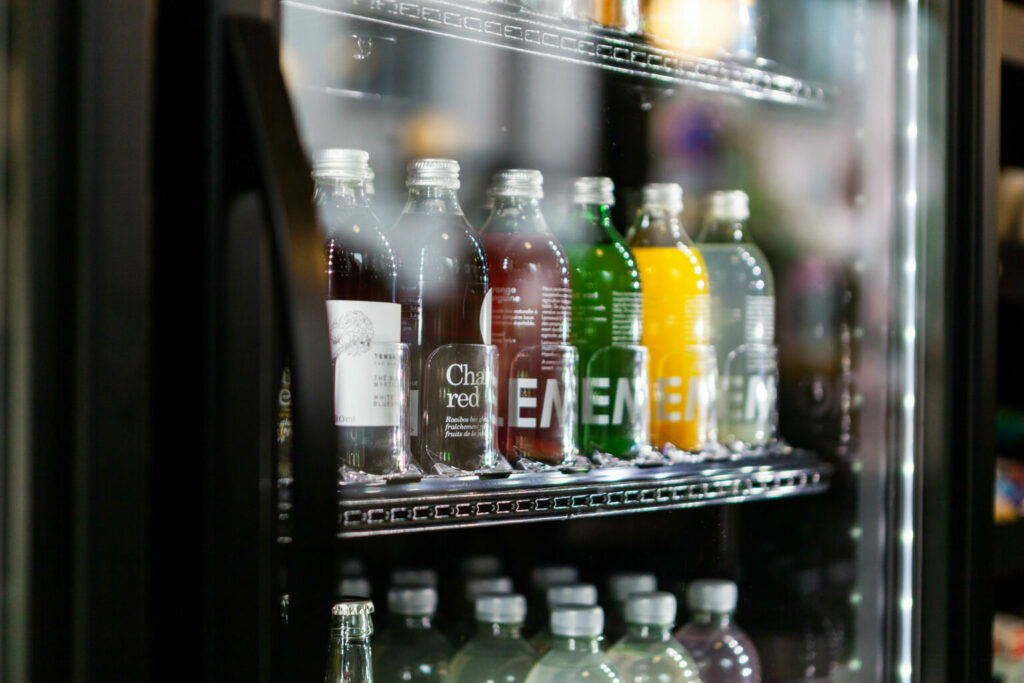
One of the defining trends within the sector is the growth of “dashboard dining” and consumers eating meals on the move.
Consumers increasingly expect healthier and more premium grab-and-go options with fresh salads, protein snacks and hot food – as well as chilled drinks and barista-style coffee – all delivered quickly, visibly and conveniently.
For modern consumers, speed matters and so does quality perception. This is where visual merchandising and refrigeration become critical.
Lumina Intelligence reports that the forecourt shopper behaviour is increasingly mission-driven, with 69% of purchases unplanned and foodservice playing a bigger role than fuel alone.
This represents a significant opportunity for visual merchandising through well-designed commercial refrigeration to drive impulse purchases.
In modern forecourt retail, chilled displays are no longer simply functional equipment, they are central to customer experience and purchasing behaviour.
Research consistently shows that strong visual merchandising can significantly influence customer dwell time, impulse purchasing, perceived product quality, basket value and overall retail engagement.
In busy convenience environments, customers often make purchasing decisions within seconds. Well-lit, organised and visually appealing refrigerated displays help:
The psychology is simple: customers are more likely to purchase products they can easily see, access and trust.
For forecourt operators, this creates a major opportunity to drive incremental spend particularly during peak commuter and travel periods.
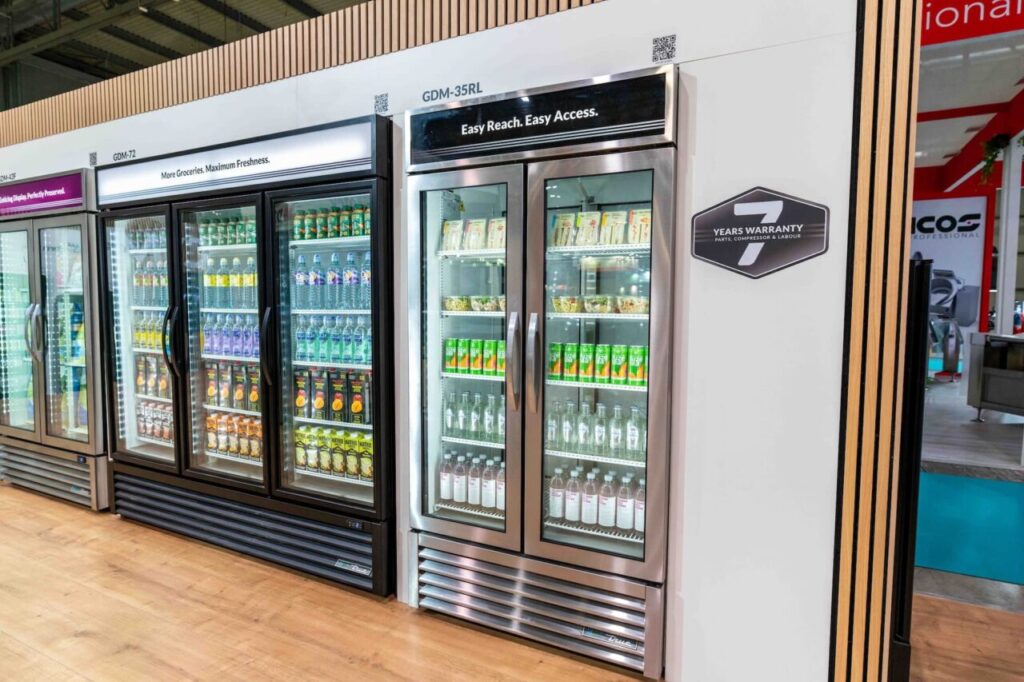
As forecourts evolve into convenience destinations, refrigeration is becoming a much more strategic part of site design.
Modern display refrigeration supports both operational efficiency and retail performance.
For operators focused on food-to-go growth, refrigeration is no longer simply about cold storage, it is about influencing customer behaviour and supporting impulse purchasing – as well as improving customer flow, enhancing freshness and reinforcing brand quality.
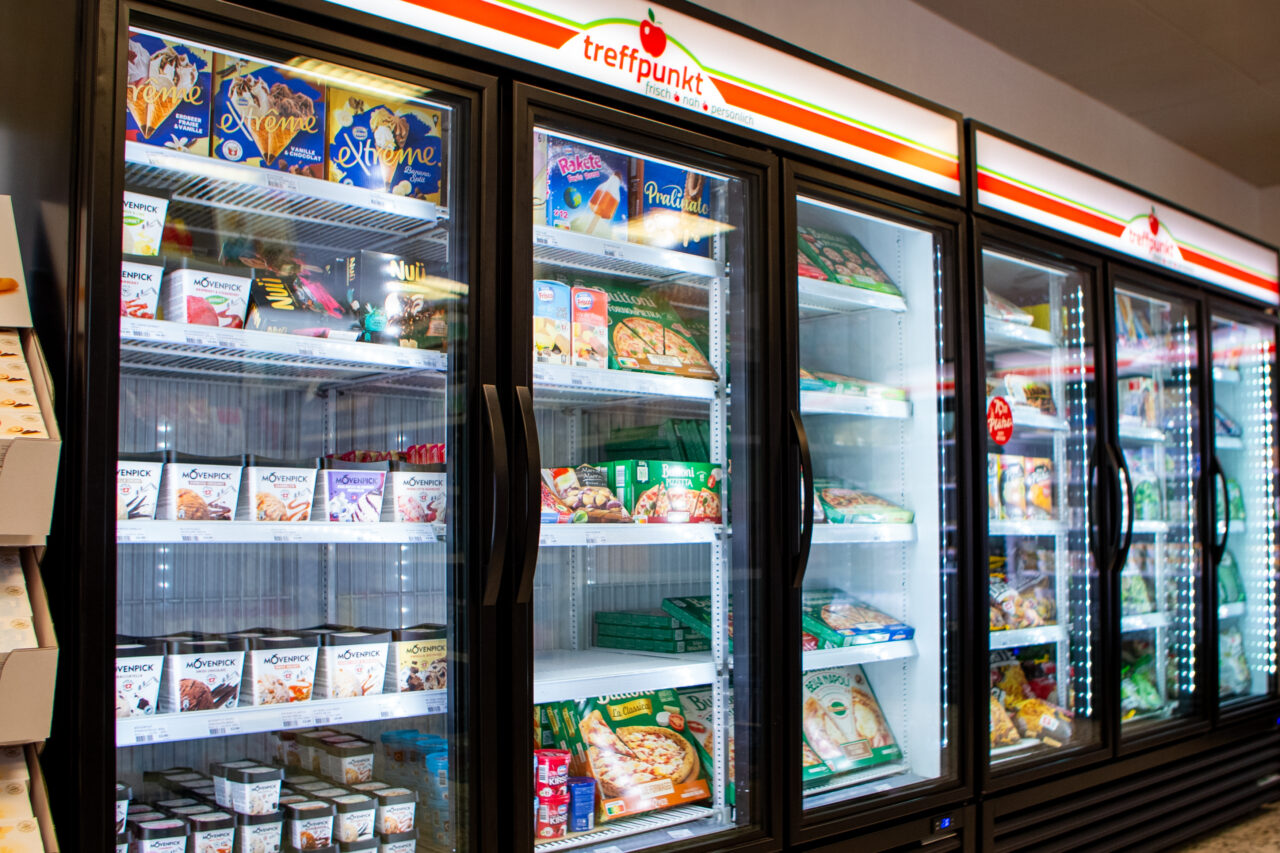
Solutions such as True’s Glass Door Merchandisers (GDMs) and Contemporary Visual Merchandisers (CVMs) are particularly suited to high-traffic forecourt environments because they combine:
In grab-and-go retail, visibility directly affects conversion. Glass door merchandisers such as the GDM range help operators showcase a full range of convenience store staples, while maintaining consistent product temperatures during busy trading periods.
Similarly, the CVM range supports high-impact visual merchandising with contemporary presentation and strong shelf visibility. It helps products stand out in increasingly competitive retail environments.
The forecourt market is becoming increasingly experience-led. Operators are recognising that modern consumers expect more than convenience alone and expect the right combination of speed, freshness, premium presentation and quality.
The line between forecourt retail, hospitality and convenience retail is becoming increasingly blurred.
And, as “dashboard dining” and grab-and-go lifestyles continue to grow across Europe, refrigeration will play an increasingly important role in helping operators create retail environments that encourage customers not just to stop, but to spend.
In today’s forecourt market, visibility drives value.