20th August 2026
How rising temperatures and heatwaves are putting commercial refrigeration to the test

7 Years parts & labour warranty


Brand and Marketing Manager EMEA
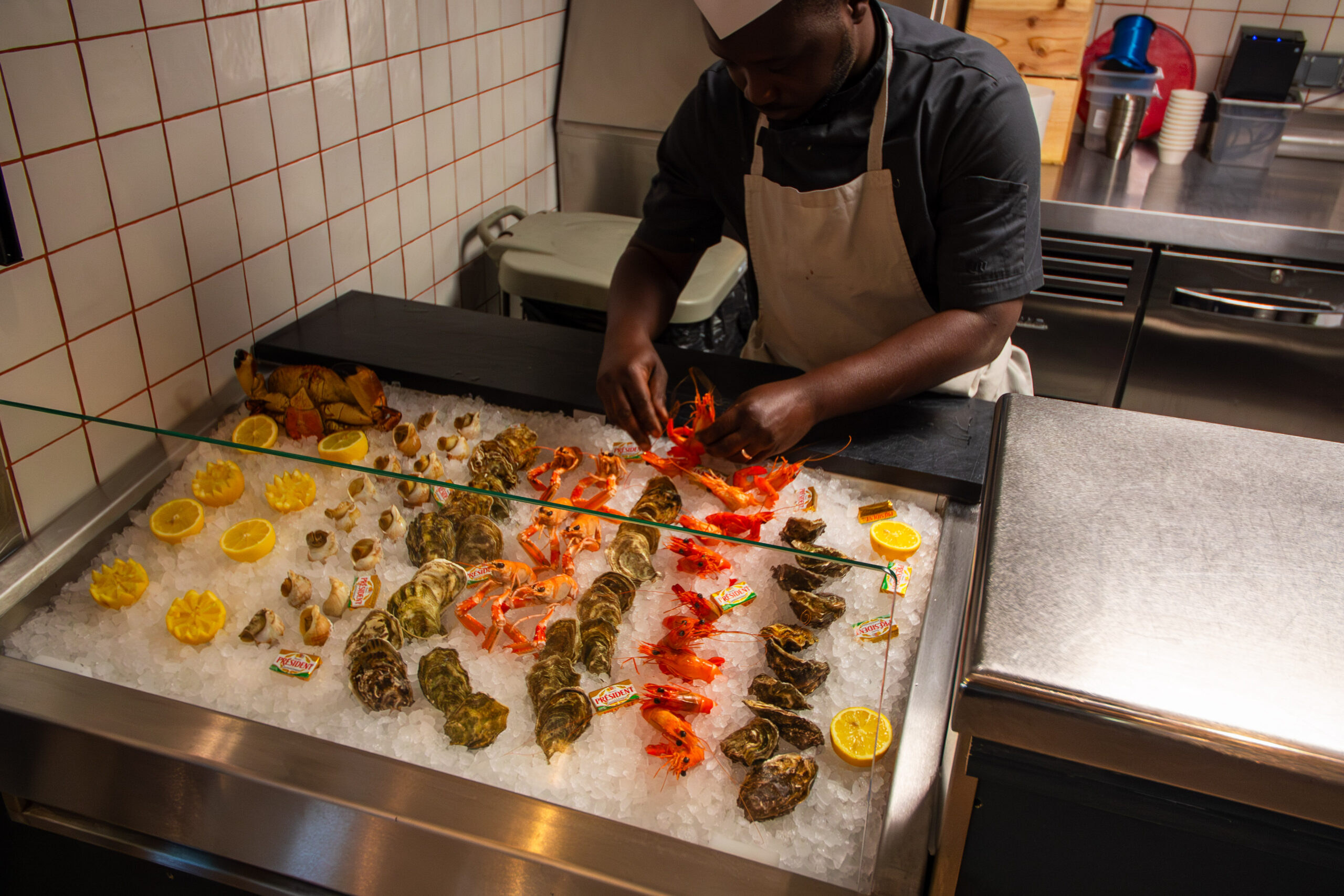
For hospitality and retail operators, summer is often the busiest stretch of the year.
Longer trading hours, warmer ambient temperatures, increased footfall and faster product turnover all combine to put your commercial refrigeration under sustained pressure.
When the equipment that quietly underpins service falters, the consequences move fast.
Cold drinks can’t keep up at the bar, pre-prepped stock runs short during the lunch rush and margins erode as energy bills climb.
In the worst case, a failed unit during peak service costs covers, stock and reputation in a single day or night.
The good news is that almost all of this is preventable. The operators who trade through summer without disruption are not the ones with the newest equipment – they’re the ones who prepared early, methodically and across the right three areas.
Here, we look at the issue in more detail and what you can do to make sure your refrigeration is fully geared up for the challenge.
Warmer months change the operating environment in three meaningful ways.
Ambient temperatures rise, which forces refrigeration systems to work harder to hold cabinet temperatures, while door-open cycles climb as service speeds up.
Furthermore, stock volumes increase, often pushing capacity to the edge of what shelves and cabinets were designed to hold.
For most operators, refrigeration is only noticed when something goes wrong. By the time it does – for example, during a Saturday lunch service or on the hottest day of the year – it’s already too late to act calmly.
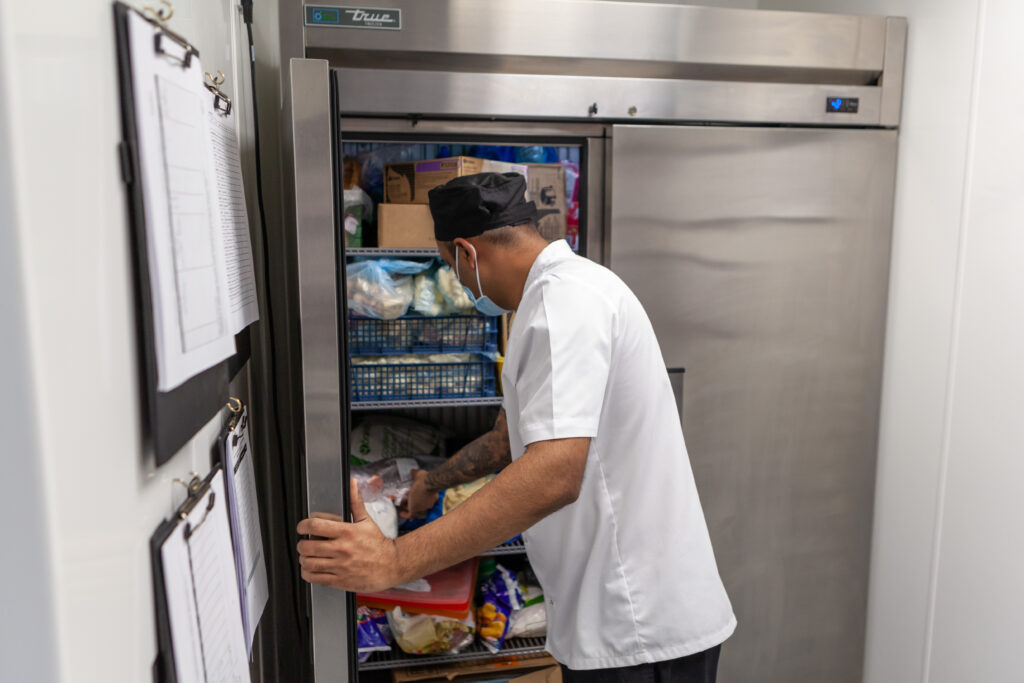
Rather than reacting to breakdowns, it’s important to build readiness across three operational disciplines.
These are preventative maintenance (making sure the kit is in shape), smart capacity planning (making sure it’s set up for the volume) and workflow optimization (making sure your team gets the best out of it).
Equipment that is serviced before peak season outperforms equipment which is serviced only when it breaks.
The cost calculation is simple: a planned service is significantly cheaper than emergency repair, lost stock and lost trade.
Routine servicing identifies worn door seals, blocked condensers, restricted airflow, refrigerant issues and temperature inconsistencies – all of which compound under summer load.
Booking servicing now, before the peak, gives engineers time to fix problems calmly rather than urgently.
It also improves energy efficiency and extends equipment lifespan in the process.
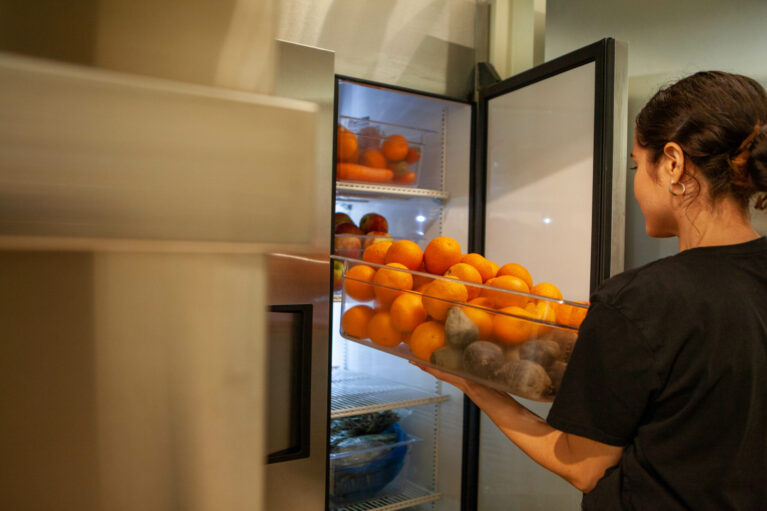
In busy hospitality environments, fridge doors can open hundreds of times per day.
Equipment that struggles to recover quickly compromises food quality, food safety and stock shelf life. Operators should regularly monitor:
Digital monitoring systems, combined with regular manual checks, are the difference between catching a temperature drift early and only finding out once stock has spoiled.
True’s range includes electronic temperature controls and rapid cooling technology as standard – features built to hold temperature even when service is at its busiest.
The 7-year parts and labor warranty on all True units sold across mainland Europe, the UK and Ireland is our way of reassuring operators of the consistency and reliability of our products.
Dust build-up is one of the most common causes of refrigeration inefficiency and one of the most overlooked.
A blocked condenser forces the system to work harder, raises operating temperatures, accelerates component wear and increases the risk of failure – the wrong combination of pressures for peak season.
Ahead of summer, every unit should be checked for:
For operators considering new equipment, our patented Reverse Condensing Unit (RCU) technology is designed to reduce debris build-up on the condensing coil at source – cutting both maintenance frequency and the risk of dust-related failures.
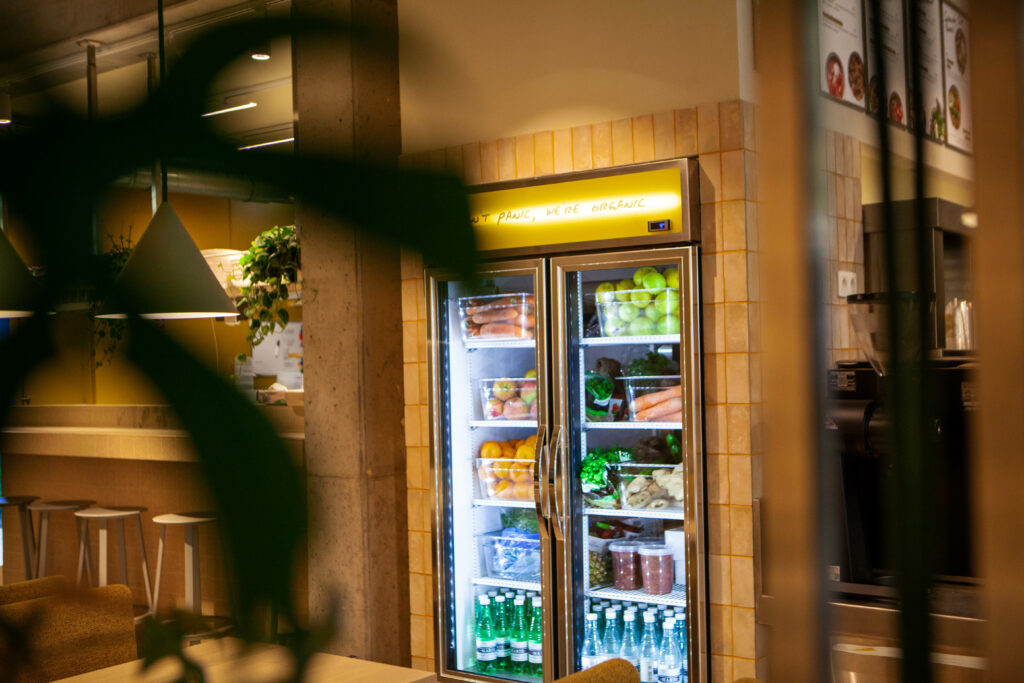
Peak season is also an opportunity to look at how stock is held and presented, not just how the equipment performs.
In retail and grab-and-go environments, visibility directly influences purchasing behaviour.
Customers make quick decisions during a busy lunch rush – and well-merchandised chilled displays speed up that decision-making, drive impulse purchases and keep queues moving.
At the same time, overloaded cabinets restrict airflow and reduce cooling efficiency. The balance is in clear visibility, sensible stock levels and easy access for replenishment.
True’s latest glass-door merchandisers – pass-through units with two-sided product visibility – are built for exactly this kind of high-rotation environment.
Summer changes how hospitality spaces operate.
Restaurants spill onto terraces and hotels increase drinks service, while farm shops, cafés and food-to-go outlets see higher footfall and changing menus.
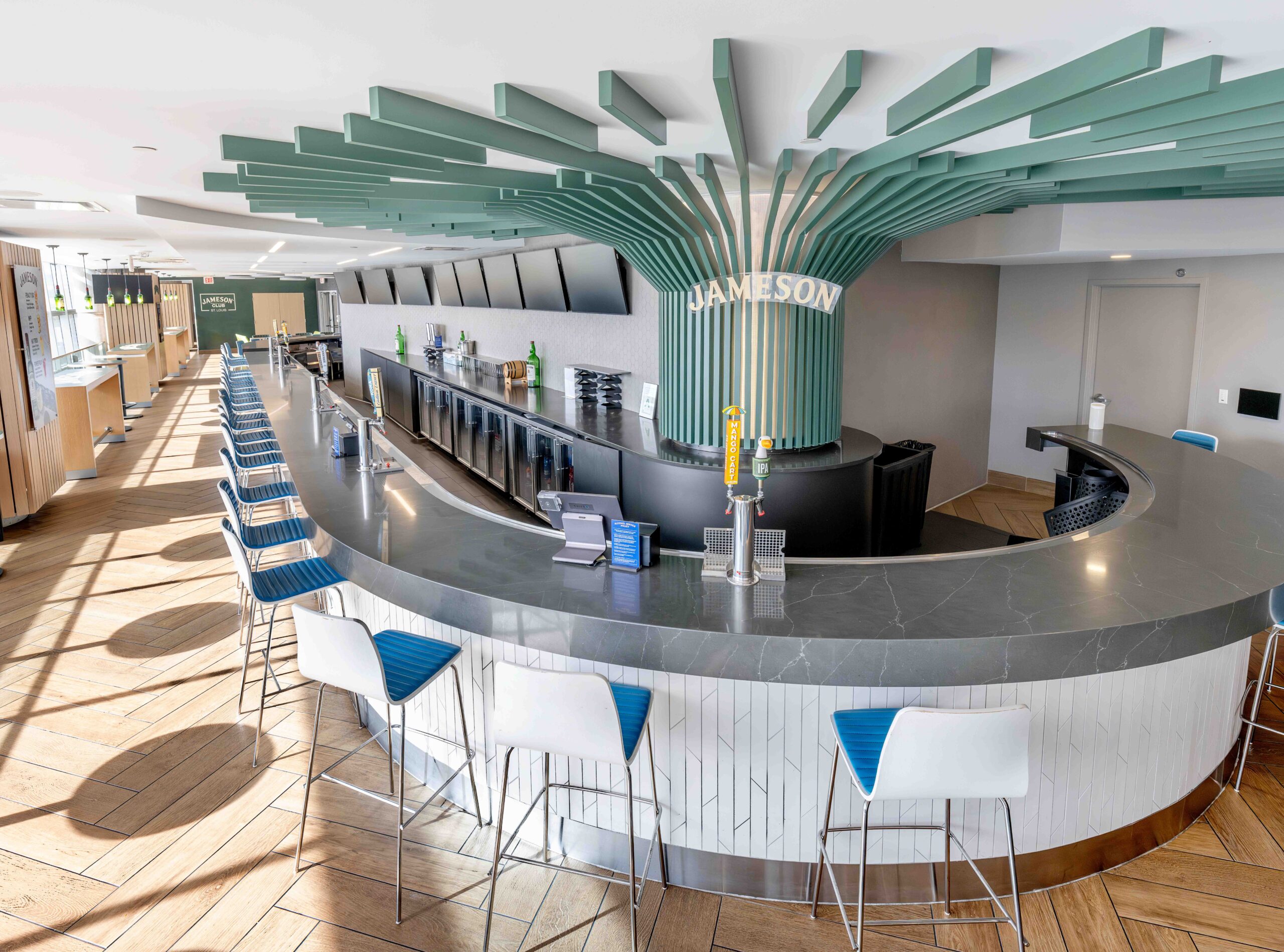
These shifts put additional load on bar fridges, undercounter units, display merchandisers and prep stations – often revealing weaknesses in workflow and accessibility that were tolerable at lower volume.
Now is the time to assess whether existing capacity is genuinely sufficient for higher stock volumes and faster service, rather than discovering the shortfall mid-shift.
Even perfectly maintained, perfectly specified equipment can be undermined by how it is used day to day, with workflow where the marginal gains live.
During peak season, refrigeration runs continuously under higher ambient temperatures, making efficiency improvements meaningful in both cost and carbon terms.
Modern commercial refrigeration supports lower energy use through LED interior lighting, improved insulation, hydrocarbon refrigerants and efficient airflow design.
Small improvements across multiple units add up to real operational savings over a busy summer.
To support this, our energy cost calculator can give you an estimate of the lifetime savings that could be achieved by choosing one or more energy-efficient products from True – compared to others on the market or currently in your estate.
Equipment performance is closely linked to operational behavior.
Teams that understand correct loading procedures, safe temperature ranges and the importance of clean ventilation reduce strain on the equipment – and on the maintenance bill. Simple habits make a measurable difference:
Knowing how to spot warning signs early – and where to report them – also prevents small issues from compounding into expensive repairs.
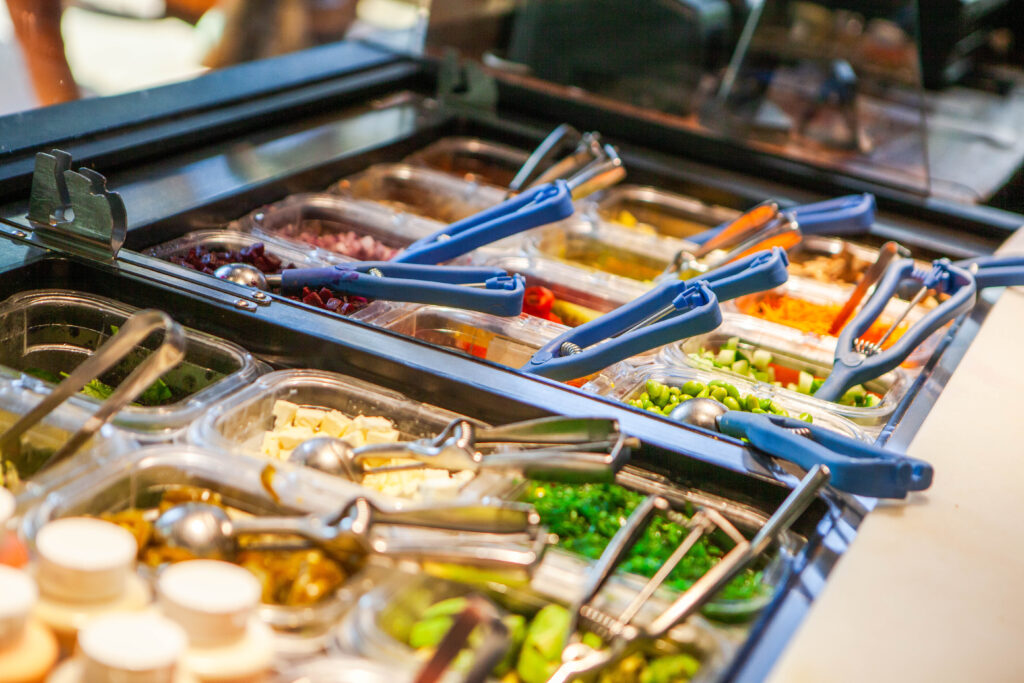
The point of preparing properly for peak season is simple: when service is at full pace on a busy Saturday, your team should be thinking about customers, covers and consistency – not whether the back-bar fridge will hold its temperature.
True’s commercial range is built for operators who’d rather not have refrigeration on their mind during peak.
Our T-Series uprights, TCR counter and undercounter units, glass-door merchandisers and full bar refrigeration line are all engineered for sustained pressure – with door-open recovery times, airflow design and component durability built for summer volumes.
Behind the kit sits a 7-year warranty on parts and labor for products sold across mainland Europe, the UK and Ireland – backed by local technical support that helps operators get the most from their equipment, day-to-day.
Or to put it another way – we take refrigeration off your list of things to worry about, leaving you to focus on what actually needs you.