20th August 2026
How rising temperatures and heatwaves are putting commercial refrigeration to the test

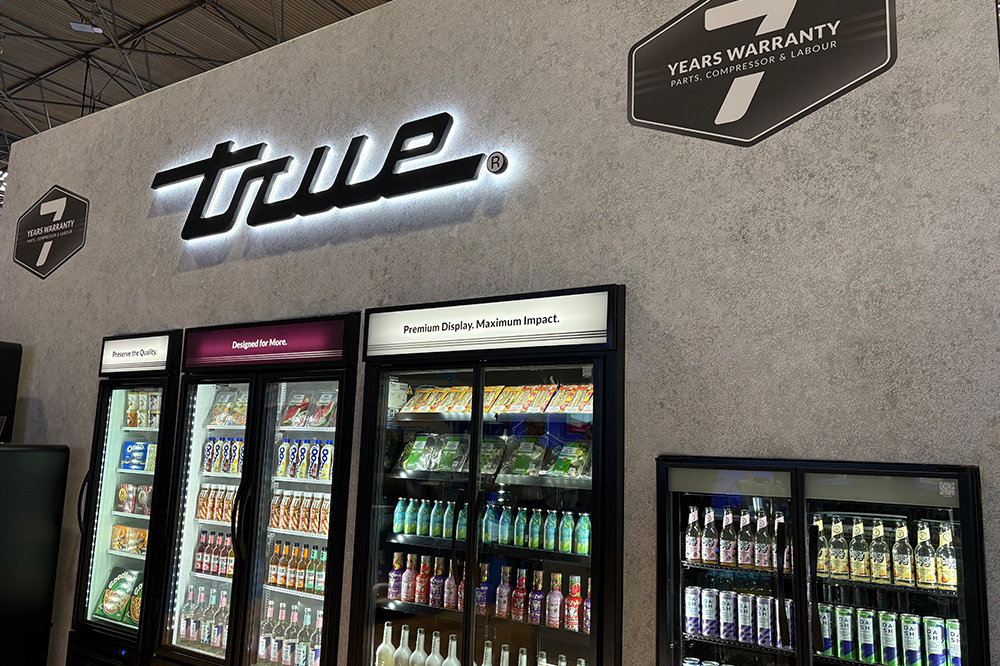
7 Years parts & labour warranty


Brand and Marketing Manager EMEA
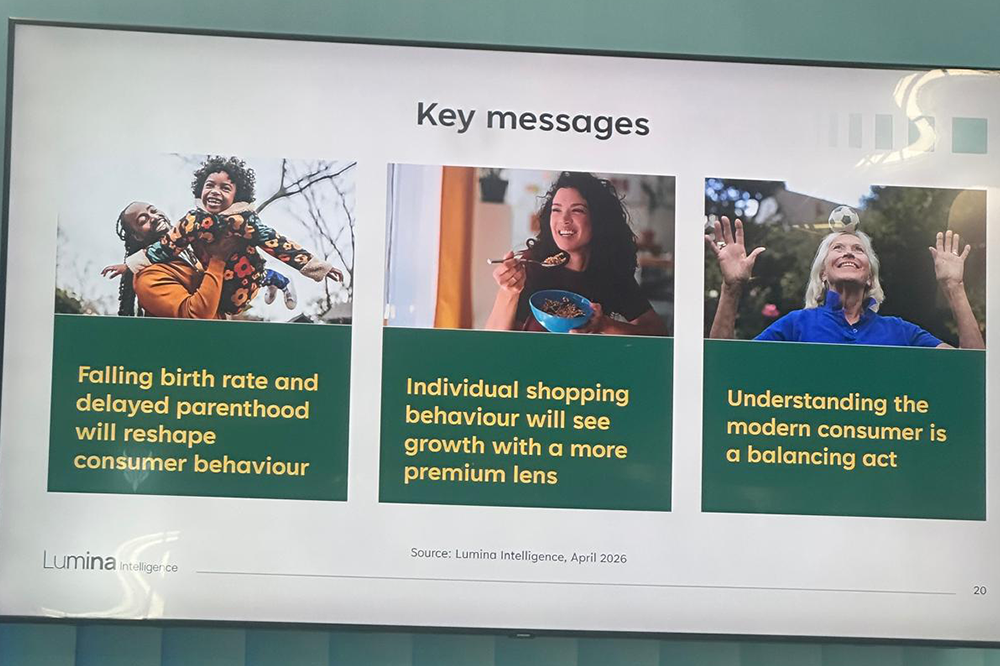
A falling birth rate is redrawing demographics, rising health literacy is rewriting what shoppers look for in a basket, and a new definition of value has made premium the baseline rather than the upsell.
Since the doors closed on this year’s Food & Drink Expo at the NEC Birmingham, UK, the True Refrigeration team has had time to reflect on what we saw, heard and tasted on the show floor.
Of all the sessions we dropped in on, one that drew a particularly large crowd – and plenty of post-talk conversations – was Lumina Intelligence’s “The Convenience Shopper: Everything You Need To Know.”
During this session, speaker Martina Di Rocco – the company’s senior insights manager – walked through data from their recent psychographics survey, a sweep of UK demographic trends, and a gallery of real-world brand and retailer examples.
It was the kind of session that makes you reconsider your assumptions about who the “typical” convenience shopper is. Here are the 10 trends we took away – the ones that will matter to brands and retailers, as well as to the operators, chefs, bar owners and consultants specifying their equipment.
Each trend stands alone but, together, they point to a clear shift in how “quality,” “value” and “health” are defined – and what that means for the cold-chain decisions behind every foodservice operation.
Fertility has dropped in England and Wales to 1.4 children per woman –the lowest on record – and the birth rate has been declining since 2012, according to the talk.
Families usually account for 68% of convenience occasions, with the biggest baskets and the highest spend per trip.
Fewer families means direct volume pressure on the chilled categories they over-index in: fresh meat, poultry, fish and prepared meals.
This means operators anchored to family-led chilled ranges need to pivot merchandising toward single-serve premium and functional formats.
Changing birth rates also mean people, on average, are starting families later in life.
This means, for the younger shopper, there is an elongated period of spending little and often – and perhaps a little more self-indulgently – to suit their individual lifestyle.
For the convenience store, this means providing not only the right goods to meet consumption needs but, actually, thinking about how to mix high-quality products and even a pleasurable shopping experience into the mix.
For example, at Storrd, a store in Camden, London, has tried to move away from “dim aisles, empty shelves and joyless sandwiches” in favor of top-tier ingredients, deli-quality hot foods and barista-style coffee.
The idea of ‘premium’, however, comes from several components – the appeal of the packaging, the trendy nature of the ingredients and, crucially, the superiority of the food itself.
Of course, premium products deserves cold-chain merchandising to match. Crisp glass, clean lighting and stable holding temperatures are how quality is assured up to every point before it’s tasted.
Lumina Intelligence’s latest data and insights on the convenience shopper highlighted that 71% of consumers valued quality over price – and that they were willing to pay more for it.
Many elements underpinned that quality but one area of particular note was the importance of the seasonal freshness of the produce.
After all, quality can be fragile: wilted berries in an underperforming deli case, or hot-spots in a weak fridge, quickly turn a high-value produce into something to complain about.
Equipment – and particularly high-quality refrigeration – is the silent partner in delivering the premium which operators are charging for.
Lumina’s case study here was Gloucester Services in the UK – a motorway stop-turned-destination through an on-site farm shop, homemade meals and a genuine sense of place.
It has transformed the idea of the “uninspiring” service station to help it stand the test of time, the speaker noted, by getting more relevant every year, not less.
Value is now calculated through taste, atmosphere, service and ingredient quality – meaning perceived worth has become emotional, not numeric.
For bar owners and premium operators, equipment becomes part of the atmosphere itself.
Back-bar coolers, display counters and chef’s counters are experience cues, not utility boxes.
The right fridge signals the right story; the wrong one can undo whatever the menu has been working to tell.
As the talk noted, the convenience shopper may expect healthy ingredients – but they don’t want to compromise on flavor.
The M&S Nutrient Dense range was the exemplar here – with micronutrients and fiber added without sacrificing indulgence.
Menus spanning lean proteins, fresh fruit, artisan cheeses and desserts put real pressure on zoned temperature control and prep efficiency.
Back-of-house, therefore, has to support the two opposite agendas at once.
They are the consumers of tomorrow – more likely to follow health trends and most interested in functional ingredients like Vitamin D, fiber and Omega-3s.
“Fibremaxxing”, a social media-driven craze, has passed 150 million views on TikTok – making fiber set to become the next big trend after protein, as Lumina put it.
These shoppers want well-lit, cleanly-merchandised chilled products. The fridge becomes a marketing asset when the audience is aesthetically literate.
Health is now a layer on top of existing formats rather than a separate aisle.
The talk cited Tenzing’s Natural Energy+ energy drinks as an example of tapping into this trend, along with Weetabix’s packaging refresh.
In both cases, the functional and nutritional benefits of the products are foregrounded, to better speak to the needs of today’s consumers.
Chilled merchandisers are where these impulse health purchases live or die.
Finnebrogue and Guinness expanded into premium pork sausages and smoked back bacon, extending the “beginner’s love” wave further into convenience.
McVities and PG Tips took a different route, skipping product fusion in favour of shared activations around the moment people already consume both brands together.
And Trip and Calm launched Wild Strawberry – a functional drink blending chamomile, lemon balm, magnesium and lime, squarely positioned at stress relief.
The data is compelling: nearly three-quarters of UK shoppers stay loyal to brands they trust, and around 60% actively seek collaborations between favourites.
Operators can borrow the same playbook – partnering with credible local suppliers, artisan bakers and craft producers to add premium variety without building a range from scratch.
Lumina placed “exceptional service” alongside ingredient quality and freshness as one of three pillars driving spend.
But service is only as strong as the kit behind it. A fridge failure on Saturday service costs covers, revenue and team morale.
Fast replacement support, a dependable warranty and a proper service network aren’t nice-to-haves – they are service delivery.
Charlie Bigham’s Brasserie Beef Wellington for Two, available at Waitrose for just under £30, is designed to bring the restaurant experience into the home.
And Joined The Q has taken a parallel approach with its aim to create the ultimate pre-drink, aiming to help people make the most of their nights out with friends.
Recreating the night out at home might require the consumer spending a little more each week during their shop – so it is important they believe in the quality of those products.
For premium grocers, department stores and upmarket c-stores, this is no longer a display question – it’s a positioning question.
Refrigeration is where “restaurant quality” either gets proven or quietly contradicted.
Every one of these trends leads back to the same operational truth: quality, consistency and reliability are no longer back-of-house virtues – they’re front-of-house value signals.
At True, that has been our starting point for more than 80 years: commercial refrigeration built to hold temperature shift after shift, with the merchandising impact to let premium product tell its own story.
If the Expo made anything clear, it’s that the equipment you chill in is no longer a utility purchase. It’s an investment in the value your customers are now paying for.